.png)
Precautions for using gas stoves
Creating a cozy and peaceful summer home requires carefully selected appliances that enhance comfort without sacrificing style and efficiency. Appliances 4 Less springfield offers residents of Bolivar, aMarshfield, Willard, Nixa and Seymour a selection of opened, scratched and dented appliances that are perfect for your summer living. Here is our guide to the must-have appliances for a cozy summer home.
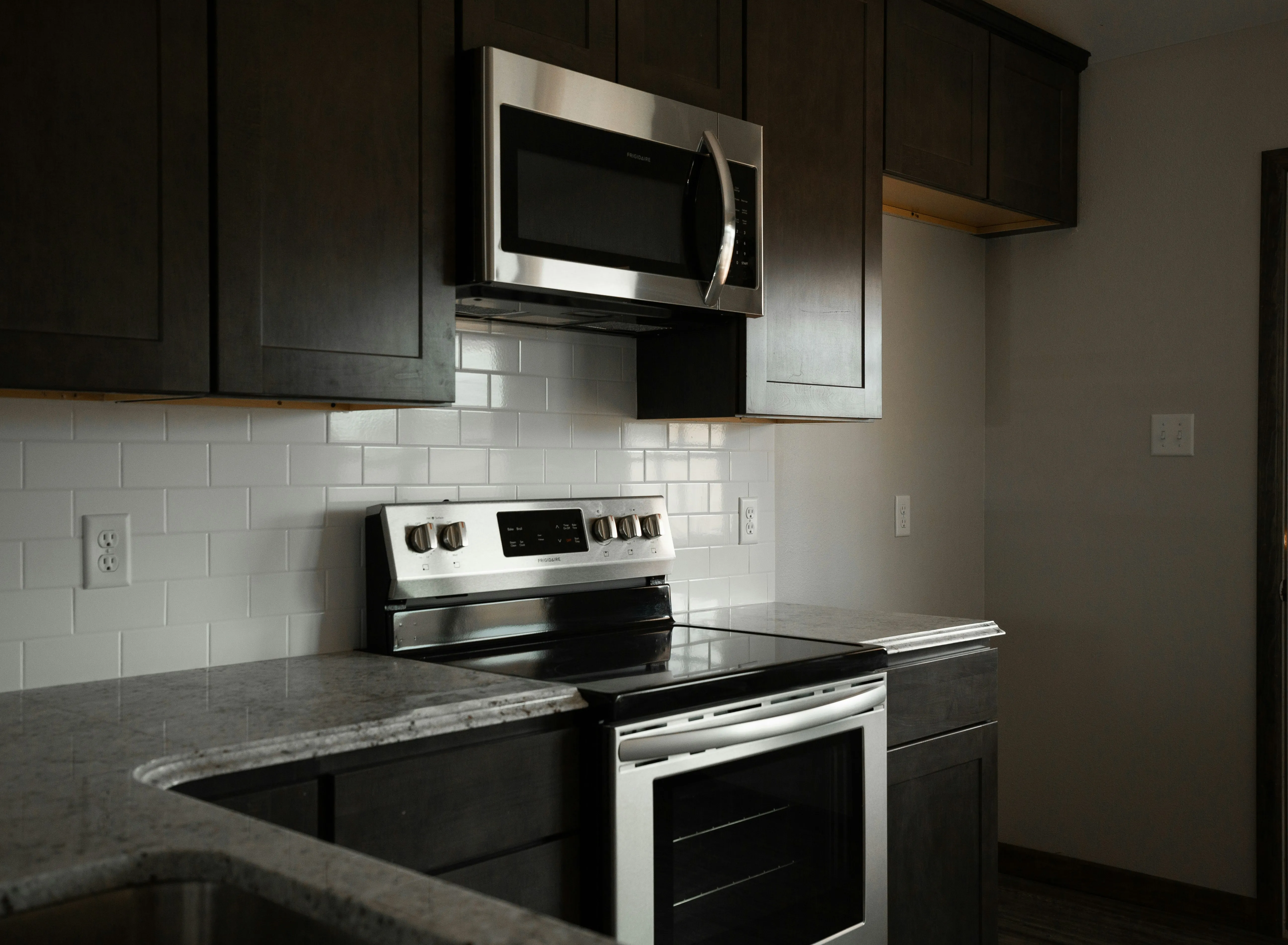
As the core equipment of the kitchen, the gas stove provides great convenience for our daily cooking. However, if used improperly, it may also become a hidden time bomb, posing a serious threat to family security. Master the following safety knowledge about gas stoves, covering high-risk operation taboos, self-examination methods, leakage emergency treatment and daily maintenance skills, which can greatly improve your kitchen safety index.
.png)
1. High-risk operation
·When gas leaks, electrical operation is a big taboo.
Gas has the characteristics of flammable and explosive, when the air is filled with gas smell, it means that there may be gas leakage. At this time, do not turn on the lights or use any electrical appliances, because the start of electrical appliances will produce electric sparks, and this small electric spark is very likely to become the fuse to cause an explosion, instantly turning the kitchen into a dangerous "battlefield".
·You can't catch fire, don't try again and again.
When using a gas stove, sometimes you will encounter a situation where you can't catch fire. If the ignition is not successful after 3 consecutive attempts, the operation should be stopped immediately, pause for a while, and at the same time open the window for ventilation, so that the accumulated gas in the room is fully dissipated before trying to ignite. If you ignore the accumulation of gas and continue to ignite repeatedly, once you encounter an open flame, it may cause a serious explosion accident with unimaginable consequences.
·Gas pipelines, do not pile into "sundry racks"
Some people in order to facilitate, in the gas pipe hanging spatula, cloth and other debris. This may seem innocuous, but it is a hidden crisis. After the pipe bears the weight of debris, it is easy to be deformed by force, which may lead to the loosening of the pipe connection for a long time, thus causing gas leakage and bringing great hidden danger to family safety.
· Flammable materials, away from the stove
Oil bottles, cartons, plastic products and other flammable items must not be placed next to the gas stove. The gas stove will generate high temperature during use. These flammable items are easily ignited in a high temperature environment, which will cause a fire and plunge the kitchen into a sea of fire.
·Use gas not to leave people, guard the safety line of defense.
In the process of cooking soup, porridge and so on, someone must stay in the kitchen to take care of it. Because the soup is easy to overflow when boiling, once the flame is extinguished, the gas will continue to leak. At this time, if no one is present and found in time, the consequences will be unimaginable. Therefore, sticking to the kitchen when using gas is an important line of defense to ensure safety.
.png)
2. Self-check 3 step
· Smell:
In order to facilitate the timely detection of gas leakage, the gas is added to the odorant similar to "rotten egg smell. When you smell this special smell in the kitchen or at home, you must be highly vigilant. This is likely to be a signal from a gas leak, and corresponding measures should be taken immediately to check and deal with it.
· Look:
After closing all gas equipment, carefully observe the last red box number of the gas meter without gas. If the numbers are found to be moving, it indicates that there is a gas leak. Through this simple method, you can initially determine whether there is a gas leak in your home.
· Apply:
Apply detergent or soapy water to gas pipes, valves and interfaces and observe carefully. If there are continuous bubbles, it means that there is air leakage. This method is simple and easy, can effectively help us find the specific location of the gas leak, in order to carry out timely maintenance treatment.
.png)
3. Emergency leakage method
Find a leak, "4 don't" to remember:
·Do not make phone calls indoors, as the telephone signal may generate sparks;
·Do not ring the doorbell, the triggering of the doorbell may also cause danger;
·Do not turn on the lights or use other electrical appliances, to avoid spark ignition gas;
·Do not wear and take off clothes indoors, especially chemical fiber clothes, static electricity generated by friction may also become a source of danger.
Deal with leakage, "4 step" to ensure safety:
·Close: immediately close the main gas valve, which is the key step to cut off the gas source, which can effectively prevent the gas from continuing to leak.
·Open: quickly open the doors and windows, let fresh air into the room, so that the leakage of gas is diluted, reduce the indoor gas concentration, reduce the risk of explosion.
·Evacuation: Evacuate to the outdoor safe area as soon as possible, do not stay indoors, to ensure their own life safety.
·Report: After arriving outdoors, call the gas company's emergency repair phone in time, report the situation to professionals, and let them come to deal with the leakage problem.
If you find that the neighbor's house leaks, do not ring the doorbell or call to inform, you should knock on the door to inform or immediately contact the gas company, so as not to cause danger due to improper operation.
.png)
4. Daily maintenance
· Flame yellow
When the flame of the gas stove is yellow, it will not only waste gas, but also smoke the bottom of the black pot and affect the cooking effect. At this time, the flame can be reduced first, and then the damper paddle under the burner head can be moved to change the mixing ratio of air and gas by adjusting the damper until the flame turns blue. The blue flame indicates that the gas is fully burned, which can save gas and ensure the cooking quality.
· Ignition will go out
If the flame goes out after the gas stove is ignited, the high probability is that the sensor needle is dirty. The function of the sensor needle is to sense the presence of flame. If its surface is covered with dirt, it cannot work properly. At this time, you can gently sand the sensor needle with fine sandpaper to remove the dirt on the surface and restore its sensitivity, and the ignition problem can be solved.
· Tone down the fire
Some gas stoves need to be turned counterclockwise instead of clockwise to adjust the fire, which may be different from our common operating habits. Therefore, when adjusting the flame size, be sure to see the small fire icon on the stove and operate in the correct direction. Otherwise, the wrong operation may cause the gas to fail to burn fully, which not only wastes the gas, but also produces harmful gases such as carbon monoxide, which is harmful to human health.
Conclusion
The safe use of gas stoves is related to the happiness and tranquility of every family. By understanding these high-risk operation taboos, mastering self-examination methods, learning to deal with leakage emergency and doing daily maintenance, we can effectively reduce the safety risks in the use of gas stoves and make the kitchen a warm and safe cooking world.